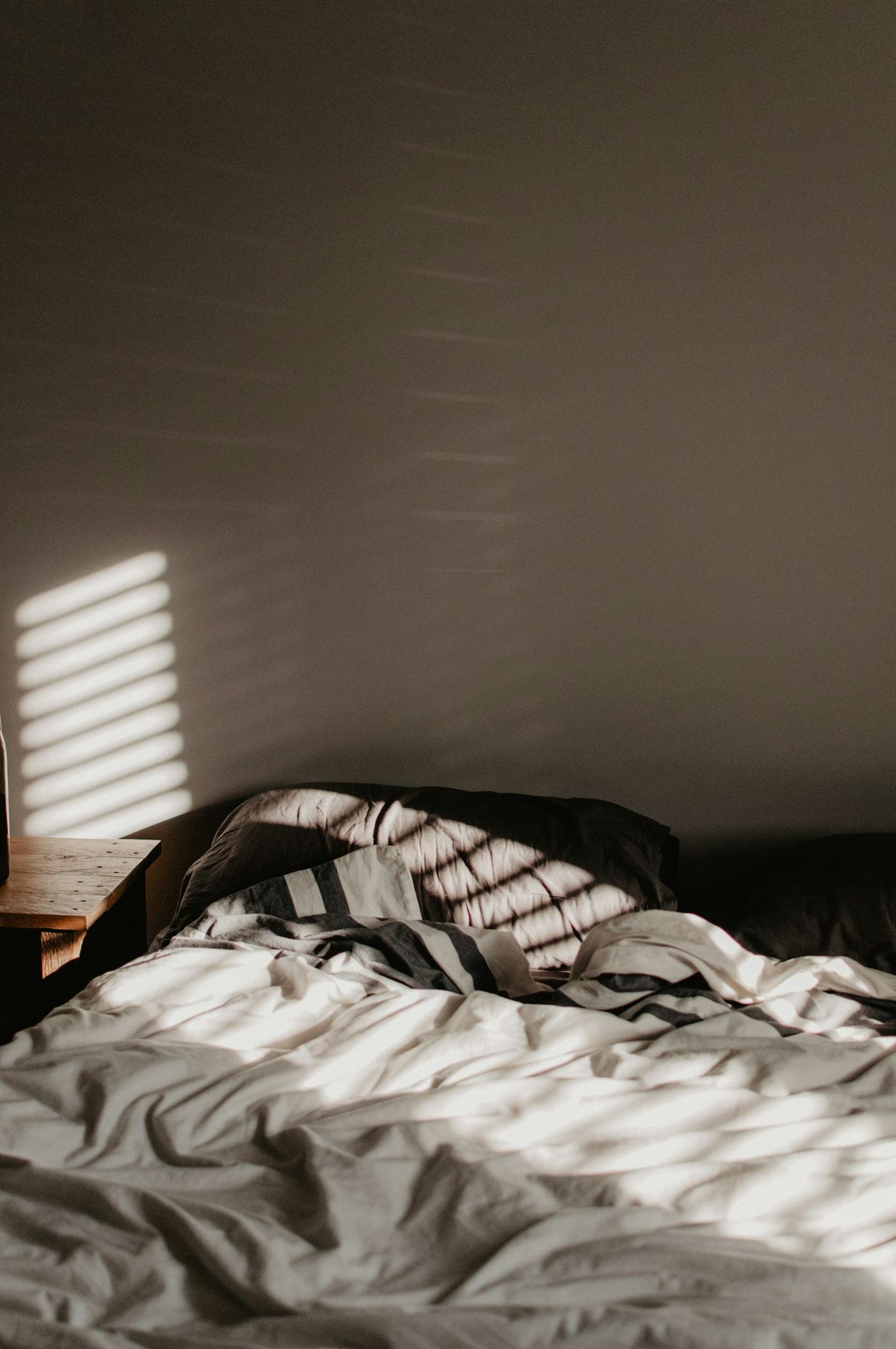
Better sleep often starts hours before bed. A realistic evening routine built on well-known sleep habits: light, timing, wind-down and a calmer bedroom.
Many of us treat sleep as something that happens to us, but the hours before bed shape it more than we realise. Evening wellness rituals are one of the most popular wellness themes of 2026, and the best ones are not complicated. This guide explains a simple evening routine built on widely recommended sleep habits. It is general lifestyle information. If you have long-term trouble sleeping, please speak to a doctor.
Why your evening matters
Your body runs on a daily rhythm that responds to light, meals, movement and routine. A consistent evening tells your body that the day is ending. A chaotic one, with bright screens, late caffeine and work emails, sends the opposite signal. You do not need to change everything at once. A few small cues repeated nightly can make bedtime feel easier.
A simple evening routine, hour by hour
Three hours before bed
Finish your last big meal and avoid heavy, spicy food late at night. Most people also sleep better if they stop caffeine by early afternoon. If you exercise, finish vigorous workouts a few hours before bed, and choose a walk or stretching later in the evening.
One to two hours before bed
Dim the lights in your home and switch to warm lamps. Put your phone on a charger outside the bedroom if you can. Write tomorrow's top three tasks on paper so your mind does not rehearse them in bed.
Thirty minutes before bed
Choose a repeatable wind-down: a warm shower, a herbal tea, gentle stretching, a few pages of a paperback or the long-exhale breathing exercise from our somatic wellness guide. The activity matters less than doing it in the same order every night.
Make your bedroom sleep-friendly
- Keep it cool, dark and quiet. Blackout curtains or an eye mask help if streetlights come in.
- Choose natural, breathable bedding such as cotton or linen. See our natural fabrics guide for how to pick them.
- Keep work, screens and clutter out of the room so the bed is associated with rest.
If you cannot sleep
Lying awake and checking the clock tends to make worry worse. If you have been awake for what feels like twenty minutes, get up, sit in low light and do something quiet until you feel sleepy. Avoid your phone. If sleeplessness lasts for weeks, affects your daytime life or comes with loud snoring or breathing pauses, please see a doctor.
Keep the same wake time
A consistent wake-up time, even on weekends, is one of the most effective sleep habits. Get daylight within an hour of waking to anchor your body clock. Over a few weeks, your evenings tend to fall into place around it.
The takeaway
Choose two changes this week: dimmer lights and a phone-free bedroom, for example. Repeat them nightly and add more once they feel natural.
Frequently asked questions
What should I do before bed to sleep better?
Dim the lights, avoid screens, keep a consistent bedtime and do a calming activity such as reading, stretching or slow breathing.
How long before bed should I stop drinking caffeine?
Many people sleep better if they avoid caffeine from early afternoon onwards, though sensitivity varies between individuals.
When should I see a doctor about sleep?
See a doctor if sleep problems last for several weeks, affect your daily life or come with loud snoring or pauses in breathing.


