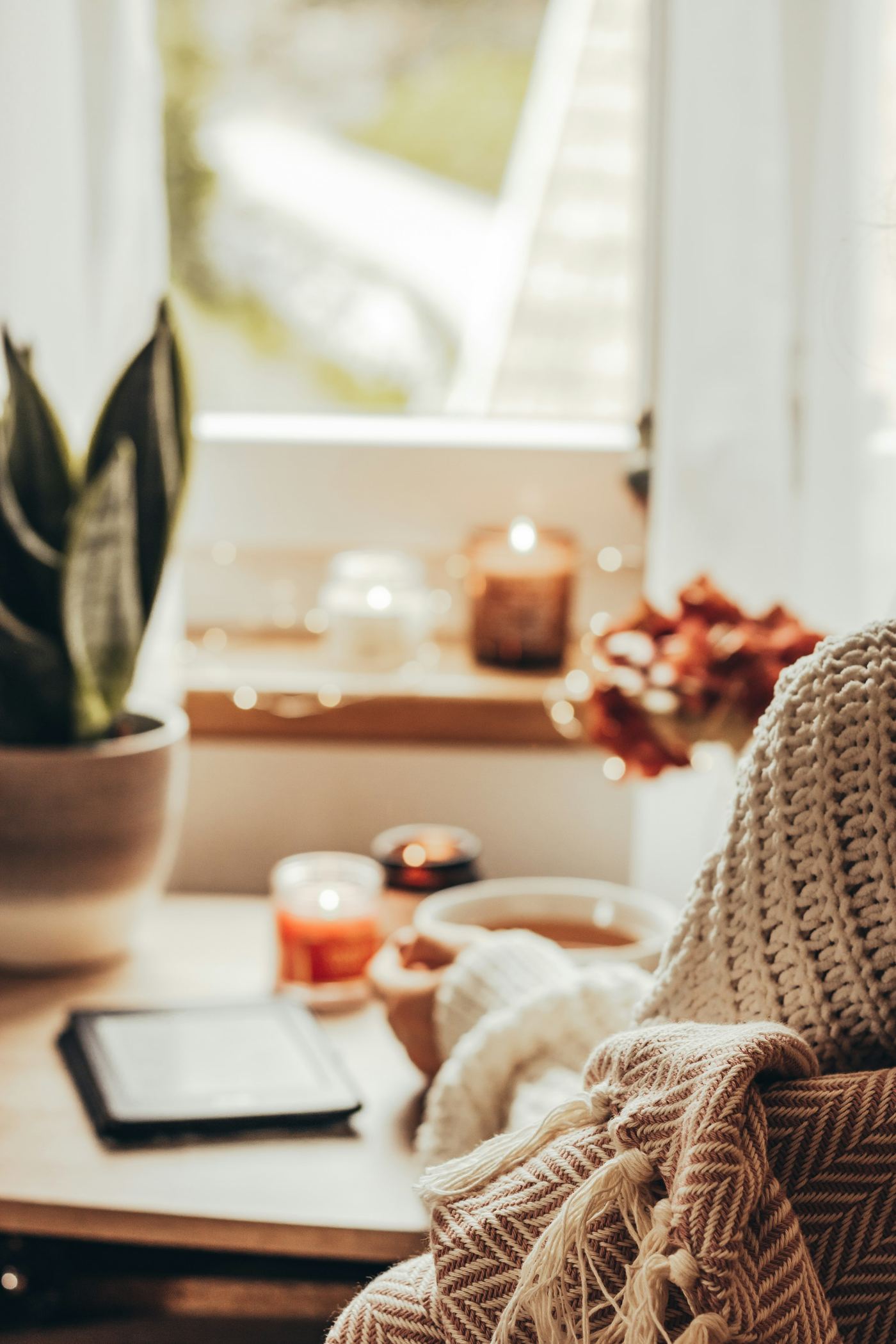
Slow living is not about doing less, it is about doing things with intention. Ten gentle, realistic habits that help you feel calmer and more present.
Slow living has nothing to do with doing everything at half speed. It is a way of choosing what deserves your time and doing those things with attention. Whether you live in a busy city or a quiet town, you can bring more calm into your days with a few small habits. Here are ten that are easy to start and realistic to keep.
What is slow living?
Slow living is a lifestyle approach that values quality over quantity, presence over productivity and intention over habit. It grew out of the slow food movement and now shapes how many people think about work, clothes, homes and travel. The idea is simple: fewer commitments, fewer possessions and more attention to the things you keep.
Ten habits to begin with
- Start the morning without your phone. Give yourself fifteen to thirty minutes for water, light and a slow breakfast before checking messages.
- Make one thing by hand each week. Bake, sew, draw, repot a plant. Making something grounds you in the present.
- Eat one meal a day without a screen. Notice the taste and the company.
- Walk without a destination. Even ten minutes of aimless walking helps you reset.
- Say no to one thing a week. Protecting your time is the core skill of slow living.
- Declutter one drawer at a time. Small, finished projects beat ambitious plans you never complete.
- Buy fewer, better things. Before purchasing, wait thirty days. If you still want it, it is probably a good choice.
- Create a calm evening ritual. Dim the lights, make a warm drink and read a few pages of a book.
- Spend time outside daily. A balcony, a park or a short stroll counts.
- Keep a simple journal. Write three lines each night about what went well and what you noticed.
Slow living in your wardrobe and home
Slow living extends naturally to the things you own. In fashion it means choosing durable, timeless pieces, which is the heart of the capsule wardrobe. At home it means natural materials, fewer objects and furniture that is made to last. You can read more in our guides to slow fashion and natural fabrics.
How to make the habits stick
Choose one habit and do it for two weeks before adding another. Attach it to something you already do, such as brushing your teeth or making tea. Expect slow weeks and missed days. The point is not a perfect streak but a gradual shift in how your days feel.
The takeaway
You do not need to move to the countryside to live slowly. Pick one habit from this list, practise it this week, and notice the difference.
Frequently asked questions
What does slow living mean?
Slow living means choosing what matters most and doing those things with intention and attention, rather than rushing through a packed schedule.
Can I practise slow living with a busy job?
Yes. Start with small habits such as a phone-free morning, a walk at lunch and a calm evening routine. You do not need extra free time to begin.
Is slow living expensive?
No. Most slow living habits are free. Buying fewer things usually saves money over time.


