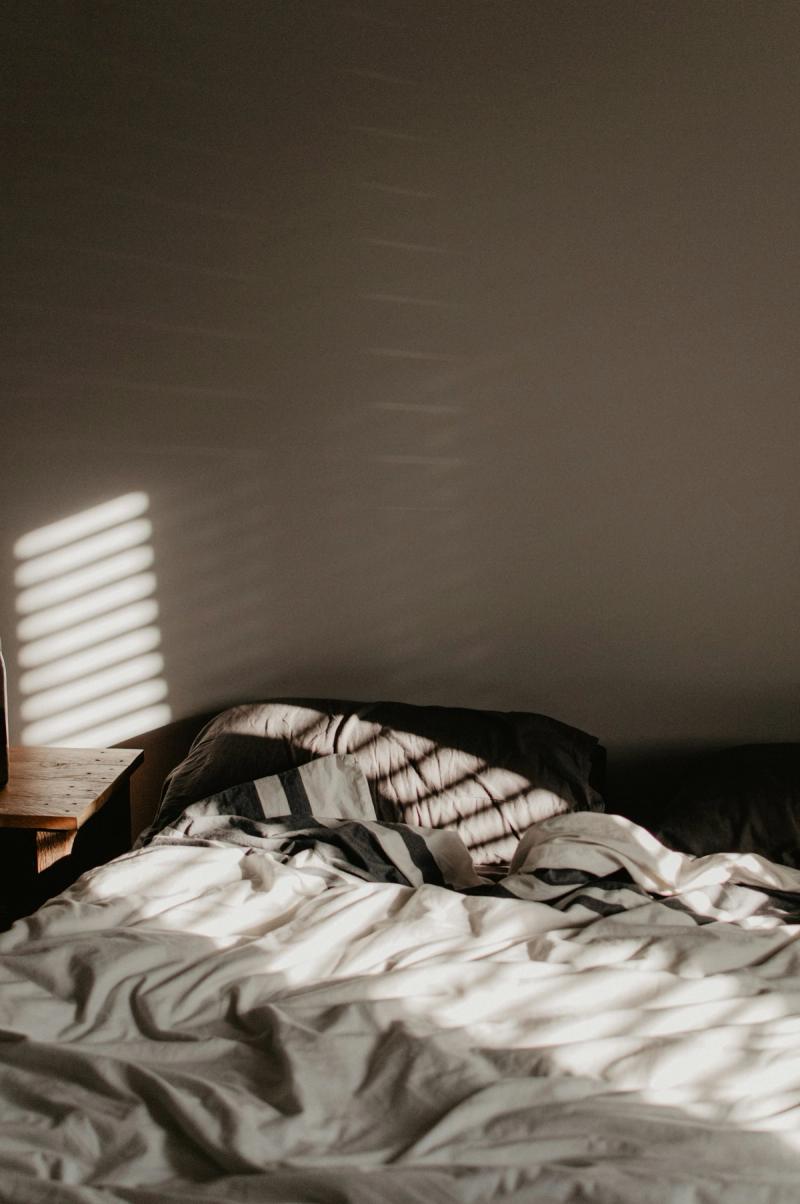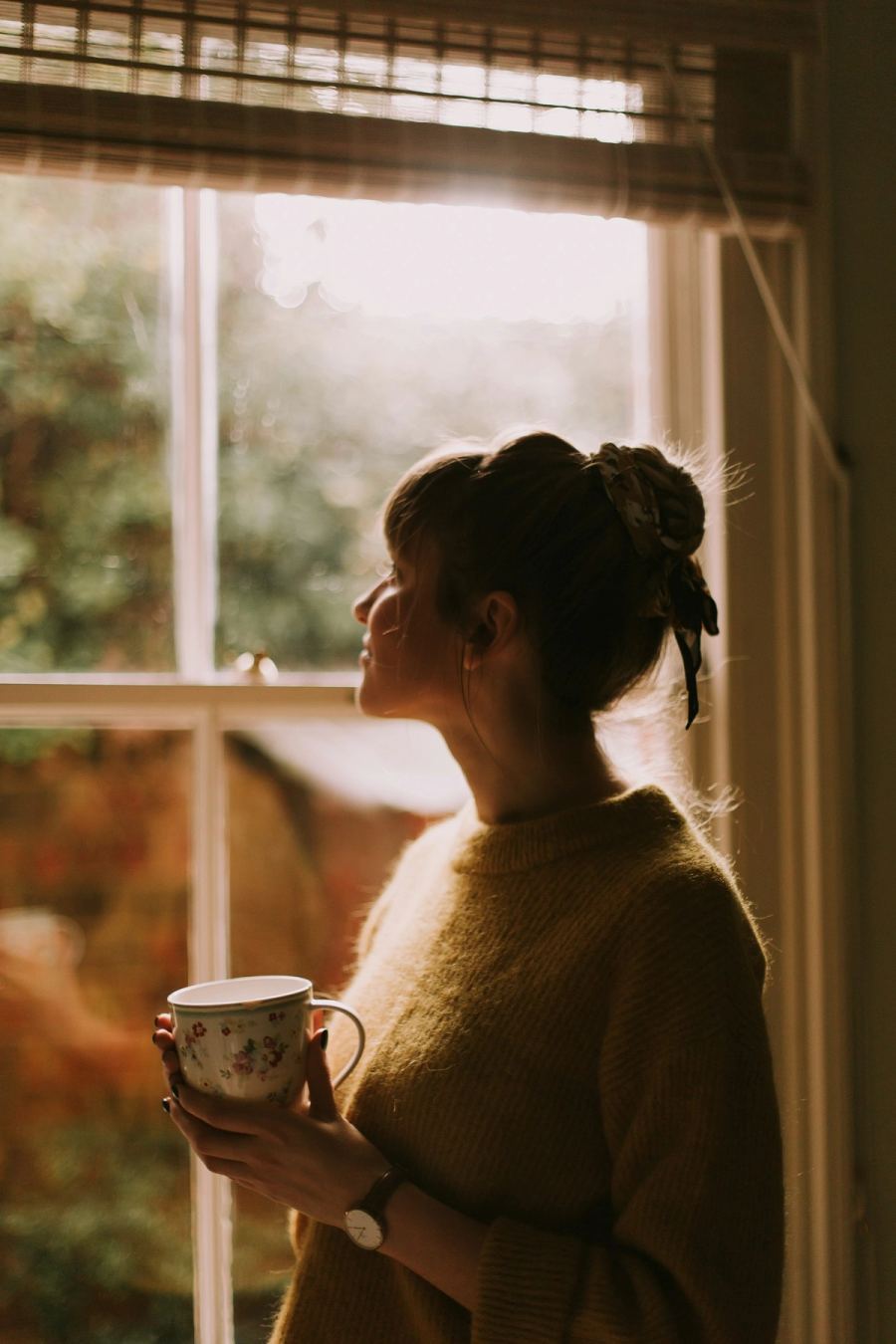
Shorter days change how we sleep and feel. Eight gentle habits for an autumn self-care routine: daylight, warm evenings, movement and rest.
An autumn self-care routine does not need candles, a new planner or an hour of free time. It is a handful of small habits that help you feel steady as the days get shorter and cooler. This guide shares eight gentle ones, built on well-known advice about daylight, sleep and movement. It is general lifestyle information, not medical advice.
Why autumn calls for a different routine
Light is one of the strongest signals your body uses to set its daily rhythm. As the sun rises later and sets earlier, mornings can feel groggier and evenings can drag. The Sleep Foundation explains that morning light tells your brain the day has started, while dim evenings help you feel sleepy at night. Autumn is a good moment to protect both ends of the day.
You do not need to overhaul your life. Choose two or three habits below, repeat them for a couple of weeks and add more only if they feel good.
Eight gentle habits for shorter days
1. Get daylight early
Open the curtains as soon as you wake and, if you can, step outside for ten minutes before your day begins: a short walk, a cup of tea on the balcony or a stroll to the shops. The NHS advice on seasonal low mood is to get as much natural daylight as you can and to go outside in the daytime every day.
2. Keep a steady wake-up time
A regular wake-up time helps anchor your body clock, and the NHS also recommends going to bed and getting up at the same time every day. When mornings turn dark, a consistent alarm plus light as soon as you are up makes waking easier. Our evening routine for better sleep shows how to build the rest of your day around it.
3. Make evenings warm and dim
After dinner, swap bright overhead lights for warm lamps and low lighting, and put your phone away for the last hour. Soft light helps your body wind down, and it makes a home feel calmer too. If you enjoy styling your space, our guide to quiet luxury home decor covers lighting that feels warm without being fussy.
4. Move a little every day
Colder weather makes it tempting to stay still. Aim for something gentle and regular rather than intense and occasional: a daily walk, ten minutes of stretching, or the breathing and movement practices in our somatic wellness guide. The NHS lists regular exercise among its helpful self-care steps for winter low mood.
5. Eat warm, simple meals
There is no special autumn diet. Warm, simple food just makes cooler evenings feel comforting: soups, dal and rice, khichdi, roasted vegetables or a bowl of porridge. Cook a big pot once or twice a week so a nourishing dinner is always ready, and try not to skip meals when you are busy.
6. Dress for comfort in natural fabrics
Feeling comfortable in what you wear is a quiet form of self-care. Layer breathable cotton, linen and wool so you can add or remove pieces as the temperature changes, and keep a soft cardigan or shawl close by. Our natural fabrics guide explains how to choose and care for them, and our capsule wardrobe guide helps you keep your layers simple.
7. Quieten your screens
Dark evenings can pull us towards endless scrolling. Choose one screen-free pocket each day, such as the first half hour after waking or the hour before bed, and protect it. The NHS also advises avoiding devices such as smartphones right before bed. For a step-by-step plan, try our digital minimalism guide.
8. Stay in touch with people
Shorter days make it easy to drift into hibernation mode. Keep one small social plan each week: a call with a friend, a walk with a neighbour or tea with family. Staying in touch with friends and family is another NHS self-help tip, and slow, regular connection is at the heart of slow living.
A simple autumn day, as a checklist
- Morning: open the curtains, drink some water and step outside for ten minutes.
- Midday: take a short walk or stretch, and eat a proper lunch away from your desk.
- Evening: dim the lights, cook something warm and keep your phone away from the table.
- Night: do a short wind-down and go to bed at your usual time.
When to ask for help
Feeling a little slower in autumn is common. But if low mood, constant tiredness or loss of interest in things you usually enjoy keeps returning around the same time each year, or you think your mood may follow the seasons, please talk to a doctor. The NHS explains that seasonal affective disorder is a form of depression that usually starts in winter, and that it can be treated, so you do not have to manage it alone. Self-care habits can support you, but they do not replace professional care.
The takeaway
Start with light and sleep: open the curtains, step outside and keep a steady wake-up time. Then add one cosy habit you genuinely look forward to. Small, repeatable steps are what carry you comfortably through shorter days.
Frequently asked questions
What is a good autumn self-care routine?
Start with daylight in the morning, a steady wake-up time, a warm and dim evening, gentle daily movement and simple warm meals. Add a weekly social plan and a screen-free hour as you go.
Why do I feel more tired when the days get shorter?
Less daylight can affect your body clock and sleep. Getting outside in the daytime, keeping regular sleep times and limiting bright light in the evening can help. If tiredness lasts, speak to a doctor.
How can I get more daylight in autumn?
Open your curtains when you wake, take a short outdoor walk every day, sit near a window while you work and spend part of your breaks outside.
When should I see a doctor about low mood in winter?
If low mood or tiredness keeps returning around the same time each year, or stops you enjoying daily life, speak to a doctor. Seasonal affective disorder is treatable.